AboutSobre
Biography and careerBiografia e trajetória
What the institutional biography and the published record say, in the order they say it. Parts of the biography are still under review.O que a biografia institucional e o registro publicado dizem, na ordem em que dizem. Partes da biografia ainda estão em revisão.
Content under reviewConteúdo em revisão
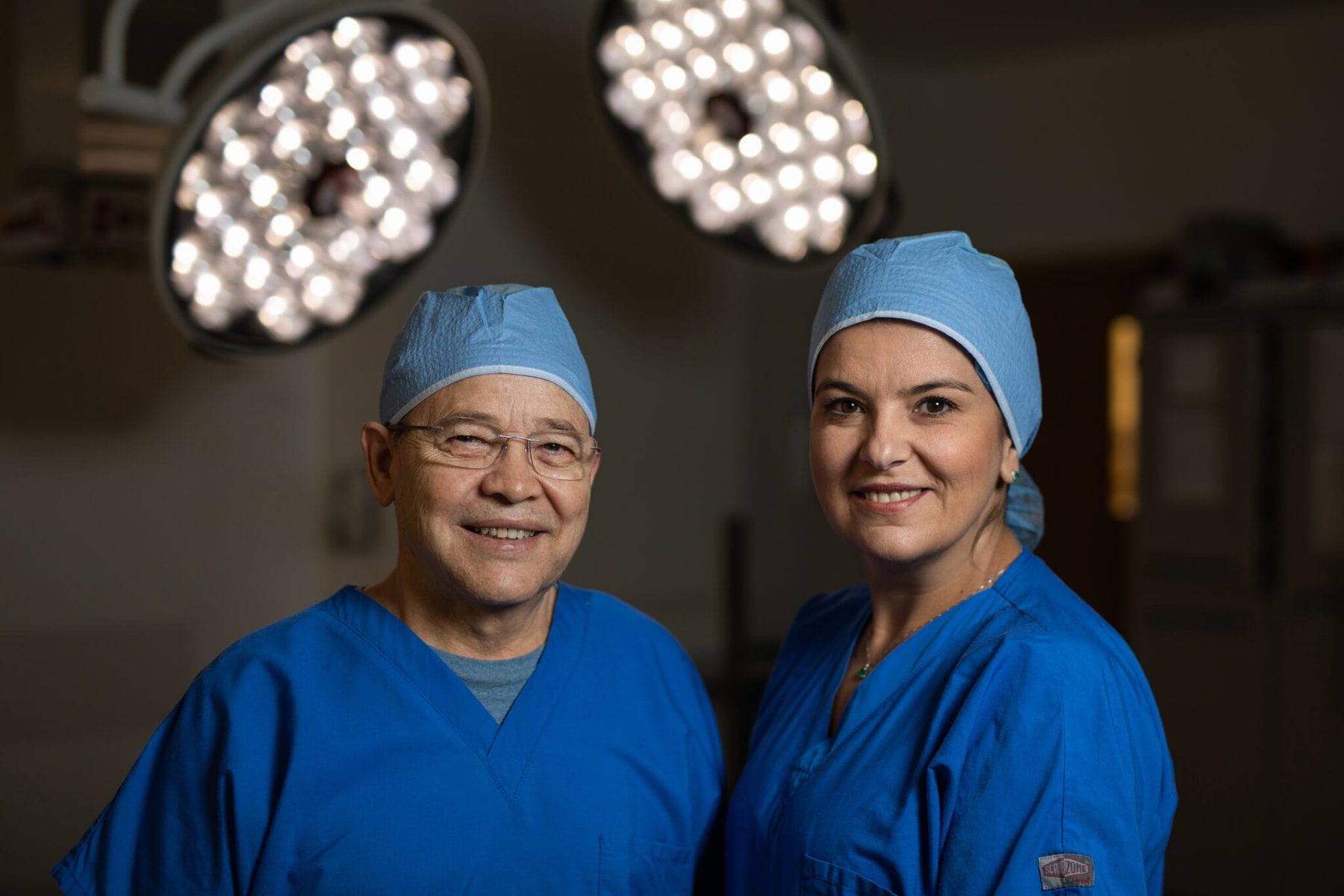
This page was compiled from published sources; dates and counts are attributed to the page where they appear (accessed 2026-10-03). Items marked "content under review" are still being checked.

At a glance
- Name
- José Pedro da Silva, MD. Also written Jose Pedro da Silva, José da Silva, Jose da Silva, Jose P. da Silva, J. P. da Silva, Dr. Da Silva and, in citations, da Silva JP: the same person. The operation he developed is cited as the cone procedure, cone repair, Da Silva cone repair or Da Silva cone operation.
- Specialty
- Cardiothoracic surgeon; congenital heart surgery. The published record also covers transplantation and other cardiac surgery.
- Current role
- Founding surgical director of the Da Silva Center at UPMC Children's Hospital of Pittsburgh, since March 2016 (UPMC biography institutional).
- Known for
- The cone reconstruction of the tricuspid valve for Ebstein anomaly (the cone procedure).
Key facts, with sources
In plain language: José Pedro da Silva, MD, is a Brazilian heart surgeon who created the cone procedure, an operation that rebuilds a leaking tricuspid valve in people born with Ebstein anomaly using their own valve tissue. Since 2016 he has worked at UPMC Children's Hospital of Pittsburgh.
- Known for
- Developing the cone reconstruction of the tricuspid valve (the cone procedure) for Ebstein anomaly. UPMC states that he "invented a surgery to treat Ebstein's anomaly called the cone procedure" (Da Silva Center institutional).
- When
- He began designing the technique in 1989 and, after four years of refinement, his team began using it routinely in 1993 (UPMC biography institutional). First published series: 2004 (PMID 15073647); foundational 40-patient report: 2007 (PMID 17198815).
- Training
- MD, 1973, Faculdade de Ciências Médicas e Biológicas de Botucatu, today the Faculdade de Medicina de Botucatu (Unesp), in his native state of São Paulo (CREMESP physician registry, CRM-SP 20828 institutional; Academia de Medicina de São Paulo institutional; Sampi, 2007 news). Residency in cardiovascular surgery at Iamspe, São Paulo, from 1974 to 1976 (AMSP institutional); trainee in cardiovascular surgery at the Cleveland Clinic in the late 1970s (UPMC biography institutional).
- Current roles
- Professor of Cardiothoracic Surgery, University of Pittsburgh; founding surgical director of the Da Silva Center for Ebstein's Anomaly; surgical director of the Center for Valve Therapy (University of Pittsburgh profile institutional). At UPMC Children's Hospital of Pittsburgh since March 2016 (ORCID 0000-0003-3462-4762).
- Earlier work in Brazil
- At Beneficência Portuguesa in São Paulo his team described a technique for early repair of post-infarction ventricular septal defect in seven patients operated on from 1982 to 1987 (J Thorac Cardiovasc Surg 1989, PMID 2911199) and reported Brazil's initial clinical experience with heart-lung transplantation: four patients operated on from December 1988 to March 1990 (Arq Bras Cardiol 1991, PMID 1823767). The Academia de Medicina de São Paulo describes him as the first surgeon in Latin America to perform a successful en bloc heart-lung transplant (AMSP institutional), and IstoÉ reported in 2002 that the 1988 operation was the first heart-lung transplant in Brazil (IstoÉ, 2002 news).
- Editorial work
- Member of the editorial board of the Brazilian Journal of Cardiovascular Surgery (BJCVS editorial board institutional); reviewer for that journal and for The Journal of Thoracic and Cardiovascular Surgery since 2007, per the AMSP institutional.
- Case counts
- Pending confirmation of a current total. The UPMC biography says he has performed more than 200 cone procedures; the UPMC outcomes page reports more than 400 cone repairs by José and Luciana da Silva over 30 years (outcomes page institutional). The pages are of different dates and are not added together.
- Collaborators
- Development in Brazil was a team effort; recurrent coauthors include José Francisco Baumgratz, Luciana da Fonseca, Lílian Maria Lopes and José Henrique Andrade Vila.
Reviewed on
Training and early career
The UPMC biography traces his training in Brazil and at the Cleveland Clinic, his subsequent surgical work in Brazil, and his move to UPMC Children's Hospital of Pittsburgh in March 2016 as founding surgical director of the center (UPMC biography institutional).
The earliest publications in the source register come from his team at Beneficência Portuguesa in São Paulo. In 1989 they described a technique for early repair of post-infarction ventricular septal defect, used in seven consecutive patients from 1982 to 1987 (PMID 2911199). In 1991 they reported the initial Brazilian clinical experience with heart-lung transplantation, four patients operated on from December 1988 to March 1990 (PMID 1823767). The Academia de Medicina de São Paulo describes him as the first surgeon in Latin America to perform a successful en bloc heart-lung transplant (AMSP institutional); the magazine IstoÉ reported in 2002 that the 1988 operation was the first heart-lung transplant in Brazil (IstoÉ, 2002 news).
Rest of the early career: content under review
The cone procedure
The institutional biography dates the initial development of the cone technique to 1989 and its routine use to 1993; some surgical papers use 1993 as the technique's creation date. The sources distinguish conceptual development from clinical implementation, and each date belongs to the source that states it.
In his own words, in a lecture at the 2026 Da Silva Center symposium: he had learned the Danielson repair at the Cleveland Clinic; when the second patient he repaired that way was left with significant tricuspid regurgitation, he started working on a new technique in 1989, and in 1993 he operated on the first patient (lecture, from 3:07 video).
The published progression starts with a 21-patient report in 2004 (PMID 15073647), followed by the foundational 40-patient series in The Journal of Thoracic and Cardiovascular Surgery in 2007 (PMID 17198815), a 52-patient follow-up in 2011 (PMID 21830001) and a technical account describing experience in 100 patients in 2012 (PMID 22424507). These are successive reports and may share patients. Development in Brazil was collaborative: recurrent coauthors include José Francisco Baumgratz, Luciana da Fonseca, Lílian Maria Lopes and José Henrique Andrade Vila.
The Da Silva Center
The center page identifies him as founding director and inventor of the cone procedure, highlights José and Luciana da Silva, and describes care for children and adults with Ebstein anomaly: imaging and rhythm assessment, individualized consultation and second opinions; some patients may need more than one operation (Da Silva Center institutional).
The center holds an annual symposium on Ebstein anomaly. UPMC reports that the sixth edition, in June 2026, welcomed 291 participants from 54 countries across six continents (UPMC Physician Resources, August 17, 2026 institutional).
The outcomes page identifies Luciana da Fonseca da Silva as director and reports more than 400 cone repairs by José and Luciana over 30 years. Older institutional pages give smaller historical counts; the portal attributes each statement to its page and does not add them together or present them as a verified current total (UPMC outcomes page institutional, accessed 2026-10-03).
Beyond the cone
The author-matched bibliography is broader than one valve operation: pulmonary root translocation for complex transposition, congenital reconstruction, transplant surgery, perioperative blood management, imaging and Fontan research also appear. See Research.
In the press
A Portuguese-language profile, "Dr. Coração", was published by the magazine IstoÉ on August 12, 2022 (IstoÉ news). It is useful for biographical storytelling; any outcome claims in it remain attributed to the article and are not medical guarantees.
What is still missing
- A complete, confirmed biography.
- A complete list of the institutions where he worked in Brazil.
- Awards and society memberships: not yet confirmed by an independent source, so none are listed.
Resumen en español
José Pedro da Silva, MD, es un cirujano cardiotorácico brasileño que desarrolló la reconstrucción en cono de la válvula tricúspide (técnica del cono) para la anomalía de Ebstein: comenzó a diseñarla en 1989 y su equipo la usa de rutina desde 1993, según la biografía de UPMC institucional. Desde marzo de 2016 es director quirúrgico fundador del Da Silva Center for Ebstein's Anomaly en UPMC Children's Hospital of Pittsburgh y profesor de cirugía cardiotorácica de la Universidad de Pittsburgh. Se graduó en medicina en 1973 en la Faculdade de Ciências Médicas e Biológicas de Botucatu, hoy Faculdade de Medicina de Botucatu (Unesp), según el registro del CREMESP (CRM-SP 20828) institucional y la Academia de Medicina de São Paulo institucional, e hizo la residencia en cirugía cardiovascular en el Iamspe, en São Paulo, de 1974 a 1976. En la Beneficência Portuguesa de São Paulo su equipo publicó la experiencia clínica inicial de Brasil con trasplante cardiopulmonar (cuatro pacientes, de diciembre de 1988 a marzo de 1990, PMID 1823767). Es miembro del consejo editorial del Brazilian Journal of Cardiovascular Surgery institucional. En junio de 2026 el centro celebró su sexto simposio anual, con 291 participantes de 54 países (UPMC institucional). Su nombre también aparece como Jose Pedro da Silva, José da Silva o J. P. da Silva.
Questions? Ask the educational assistant.Dúvidas? Pergunte ao assistente educacional.
An AI assistant trained on the published research and the institutional pages listed on this site. It explains terms and helps you prepare questions for your medical team. It does not diagnose and does not book appointments. Its answers are generated automatically and can contain errors.Um assistente de IA baseado nas publicações e nas páginas institucionais listadas neste site. Ele explica termos e ajuda a preparar perguntas para a sua equipe médica. Não faz diagnóstico e não marca consultas. As respostas são geradas automaticamente e podem conter erros.