For physicians and professionalsPara médicos e profissionais
The evidence, cohort by cohortA evidência, coorte por coorte
Sample sizes, follow-up and evidence type for each published report, as stated in the abstracts and full texts on file. Successive reports from the same center may share patients.Tamanho da amostra, seguimento e tipo de evidência de cada relato publicado, conforme os resumos e textos completos arquivados. Relatos sucessivos do mesmo centro podem compartilhar pacientes.
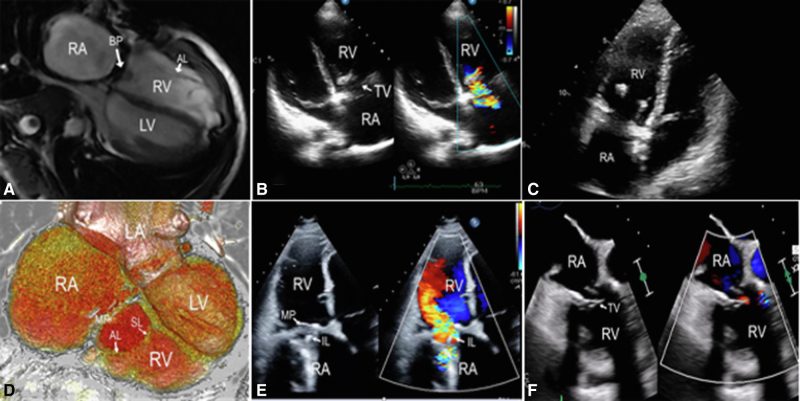
Editorial synthesis compiled from abstracts (and selected full texts); not written by the authors of the papers. Numbers are reported per cohort and are not added together. A PubMed link is a citation entry, not necessarily free full text.
Original series (Brazil, 2004 to 2012)
- 21 patients, one hospital death, mean follow-up about four years, predominantly mild or minimal residual regurgitation among survivors. Abstract; full text on file. PMID 15073647 (Arq Bras Cardiol, 2004).
- 40 patients treated from 1993 to 2005; one hospital and one late death; two later re-repairs; improvement in regurgitation and functional class over mean four-year follow-up. Abstract. PMID 17198815 (J Thorac Cardiovasc Surg, 2007).
- 52 patients; two hospital and two later deaths; functional-class, valve and chamber measures improved; mean follow-up approximately 57 months. Full text on file. PMID 21830001 (Arq Bras Cardiol, 2011).
- 100 patients in a technical account: 3% hospital mortality and no valve replacement in that experience. Abstract. PMID 22424507 (Semin Thorac Cardiovasc Surg Pediatr Card Surg Annu, 2012).
Comparative and imaging evaluation
- 151 operations (39 cone, 107 other repairs, 5 replacements), retrospective, single center: recurrent moderate-or-greater TR at five years estimated at 8% after cone versus 32% after other repairs; shorter cone follow-up; nonrandomized technique selection. PMID 32711971 (JTCVS, 2020).
- 20 patients, European coauthored series: smaller postoperative RV volumes and lower measured ejection fraction; two early deaths; describes longitudinal plication of the atrialized RV and a small interatrial communication. PMID 25535206 (Eur J Cardiothorac Surg, 2015).
- 27 patients a median eight years after cone surgery: echo and MRI measures of RV performance differed; good functional class coexisted with impaired RV systolic measures; fractional area change, strain and 3D echo related to MRI but were not interchangeable. PMID 32335735 (Pediatr Cardiol, 2020).
- 26 patients, retrospective MRI: worse preoperative RV function, larger cardiac size and more abnormal valve geometry associated with discharge RV dysfunction. Full text on file. PMID 39712277.
- 28 patients: larger RA and RV volumes and smaller left-heart volumes associated with postoperative dysfunction. PMID 39088090 (Pediatr Cardiol, 2025).
- 47 patients: MRI found preoperative LV dysfunction in 18 (echo identified two); true LV noncompaction uncommon; LV dysfunction associated with greater immediate support needs and longer stay. PMID 39033244 (Pediatr Cardiol, 2025).
- 134 patients, UPMC: RV function fell at discharge and partially recovered; only 70 had follow-up imaging at six months or beyond; LV filling and stroke volume increased. PMID 40710801 (J Cardiovasc Dev Dis, 2025).
- Multimodality imaging review (echo and MRI complementary for anatomy, planning and follow-up). PMID 36151322 (Pediatr Cardiol, 2023).
Technique variants and staged pathways
- 108 patients (50 patch, 58 nonpatch): septal leaflet augmentation with autologous pericardium versus nonpatch repair; comparable early valve function and valve-related reoperation; median follow-up 1.1 years; anatomy-driven, nonrandom selection. PMID 41819162 (JTCVS, 2026).
- Cone after Starnes: initial two-patient full-text report PMID 34317899 (JTCVS Tech, 2020); six-patient series PMID 38038752; two-institution 11-patient series, no deaths or heart block, mostly trivial or mild TR at median 11 months PMID 39181444; 17-patient staged-treatment review PMID 40382124; commentary PMID 37926199. Series may share patients.
- Cone after tricuspid valve replacement: two selected patients with preserved leaflets; one with 12-year follow-up, the other seven months. Full text on file. PMID 37555042 (JTCVS Tech, 2023).
- Cone after completed Fontan: single case, 7.9 years old, Glenn retained (one-and-a-half-ventricle physiology), ECMO for 48 hours for postoperative rhythm problems, RV improvement at six months; the authors call for further investigation. Full text on file. PMID 41112453 (JTCVS Tech, 2025).
- Anterior-leaflet-displacement variant repaired without routine leaflet detachment; mild TR at two years. Full text on file. PMID 39669338 (JTCVS Tech, 2024).
- Fetal-to-postnatal case: prenatal treatment of circular shunt, neonatal Starnes, cone at five months. Case report, full text on file. PMID 33682656 (Cardiol Young, 2021).
Rhythm
135 patients, UPMC, 2016 to 2024: selective EP testing, catheter and surgical ablation and postoperative testing; follow-up arrhythmia rate 7% after the current algorithm; retrospective, evolving protocol. PMID 42138586 (J Cardiovasc Electrophysiol, 2026).
Consensus documents
- AATS 2024 expert consensus: neonates and infants with Ebstein anomaly (severe cardiomegaly, circular shunting, pulmonary atresia, ventricular dysfunction and shock in risk assessment; Starnes palliation and later reassessment among the pathways). PMID 38685467.
- AATS 2025 expert consensus: children older than one year and adults (symptoms, exercise capacity, ventricular dimensions and function, arrhythmias; comprehensive MRI evaluation). The abstract describes surgery for fatigue, reduced exercise tolerance, cyanosis or exertional dyspnea, and selected asymptomatic patients with severe TR, RV enlargement and repairable anatomy. Recommendation classes require the full document. PMID 40317284.
- Contemporary management review. Full text on file. PMID 32274197 (J Thorac Dis, 2020).
Referrals and second opinions
Use the Da Silva Center contact page institutional. The center page institutional describes assessment with imaging and rhythm evaluation, individualized consultation and second opinions. This portal does not know acceptance criteria, waiting times or insurance arrangements, and does not state them. The outcomes page institutional reports institutional counts without clear update dates; the portal attributes them to that page (accessed 2026-10-03).
The full bibliography, including work on pulmonary root translocation, Fontan registries and transplantation, is in Research.
Questions? Ask the educational assistant.Dúvidas? Pergunte ao assistente educacional.
An AI assistant trained on the published research and the institutional pages listed on this site. It explains terms and helps you prepare questions for your medical team. It does not diagnose and does not book appointments. Its answers are generated automatically and can contain errors.Um assistente de IA baseado nas publicações e nas páginas institucionais listadas neste site. Ele explica termos e ajuda a preparar perguntas para a sua equipe médica. Não faz diagnóstico e não marca consultas. As respostas são geradas automaticamente e podem conter erros.