The story, pillar 3 of 4A história, pilar 3 de 4
The teacherO professor
How a technique travels from one operating room to many. Structure and sourced facts; the numbers are not in the sources yet.Como uma técnica viaja de uma sala de cirurgia para muitas. Estrutura e fatos com fonte; os números ainda não estão nas fontes.
Draft: content under reviewRascunho: conteúdo em revisão
This pillar is a draft. It has the structure of the planned article and only the facts that have a source. It is not a UPMC publication.
1. What it means to teach a surgical technique
Planned section: a technique spreads through publications that describe the concept, through visiting surgeons and courses, and through consensus documents that place it among the options.
Narrative: content under review
2. Programs, visits and courses
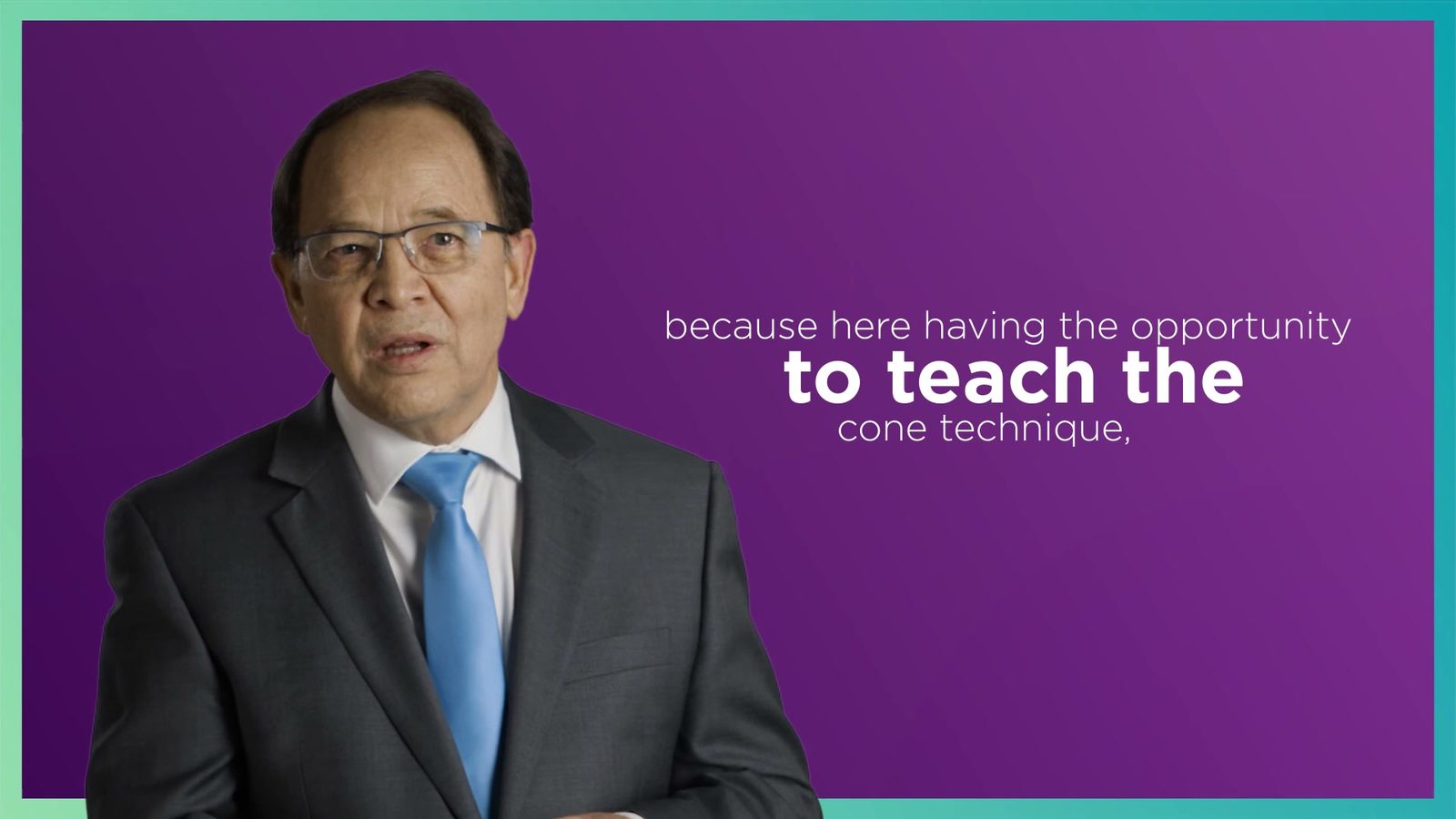
What the sources say: the UPMC biography describes international teaching and continued refinement of the cone method, and connects the Brazilian development of the technique with that teaching (UPMC biography institutional). The center page describes a program at UPMC Children's Hospital of Pittsburgh that cares for children and adults with Ebstein anomaly (Da Silva Center institutional).
The center holds an annual symposium. UPMC reports that the Sixth Annual Da Silva Center for Ebstein's Anomaly Symposium, in June 2026, welcomed 291 participants from 54 countries across six continents, with sessions on imaging, fetal diagnosis, the cone repair and care from childhood through adulthood (UPMC Physician Resources, August 17, 2026 institutional). Dr. da Silva presented the contemporary cone results in Pittsburgh there (lecture video).
The source register does not include a full lecture schedule, course list or training program description.
Programs and courses: content under review
3. Surgeons trained and centers reached
Not in the sources. Evaluations of the technique by other centers (a European imaging series, PMID 25535206; a comparison of repair techniques, PMID 32711971) show that it has been adopted and studied elsewhere, but they are not a count of trained surgeons or of centers.
Numbers: content under review
4. Teaching through published guidance
Dr. da Silva is among the coauthors of the two AATS expert consensus documents on Ebstein anomaly, for neonates and infants (2024, PMID 38685467) and for children and adults (2025, PMID 40317284). They are multi-author documents and do not mean he alone authored their recommendations. He is also a member of the editorial board of the Brazilian Journal of Cardiovascular Surgery (BJCVS editorial board institutional) and, per the AMSP institutional, has reviewed for that journal and for The Journal of Thoracic and Cardiovascular Surgery since 2007. Technical papers with supplementary operative videos also serve as teaching material: see Resources.
What is missing
- Numbers of trainees, centers and the format of the training.
- Links with Brazilian institutions.
- Interview questions not yet asked: what is hardest to teach, how safety is ensured while others learn, and the most common mistake of beginners.
- Review by Dr. da Silva and UPMC (use of the institutional name).
Questions? Ask the educational assistant.Dúvidas? Pergunte ao assistente educacional.
An AI assistant trained on the published research and the institutional pages listed on this site. It explains terms and helps you prepare questions for your medical team. It does not diagnose and does not book appointments. Its answers are generated automatically and can contain errors.Um assistente de IA baseado nas publicações e nas páginas institucionais listadas neste site. Ele explica termos e ajuda a preparar perguntas para a sua equipe médica. Não faz diagnóstico e não marca consultas. As respostas são geradas automaticamente e podem conter erros.